UMS THEMES
From policy to streets.
The Summit programme is structured around five strategic themes that guide the conversations and exchanges across the event. These themes reflect the key priorities shaping the evolution of modern mobility systems, spanning climate-conscious transport, inclusive access, integrated urban planning, technological innovation, and the investment frameworks required to deliver large-scale infrastructure. Together, they provide a foundation for exploring how policy, planning, and capital can align to support the development of efficient, connected, and future-ready urban transport systems.
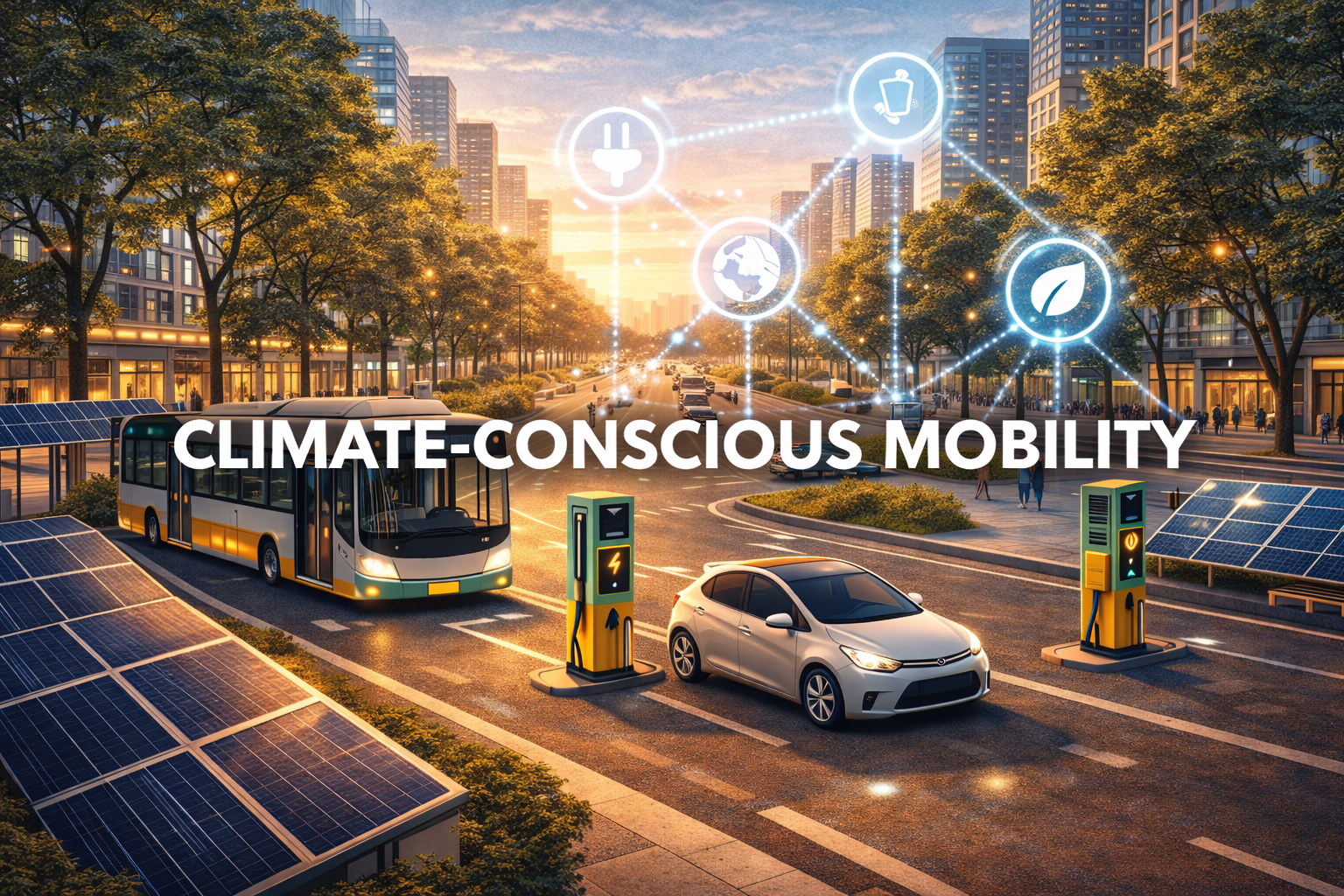
Cities across Africa are under increasing pressure to modernise transport systems while responding to climate commitments and energy transitions. Urban transport remains a major contributor to emissions and energy demand, making the shift toward low-carbon mobility infrastructure an urgent priority.
Sessions within this theme focus on the transition toward low-emission transport systems, including electrified public transport, energy-efficient mobility networks, and climate-resilient infrastructure. Discussions will address regulatory frameworks, grid readiness for electric mobility, fleet transitions, and infrastructure planning required to support decarbonised urban transport systems.

Access to reliable and affordable mobility remains uneven across many African cities, affecting access to employment, education, healthcare, and urban services. Expanding mobility networks without addressing equity and accessibility risks reinforcing spatial and economic disparities.
This theme focuses on mobility systems that improve access and connectivity for all urban residents. Discussions examine public transport accessibility, last-mile connectivity, non-motorised transport infrastructure, and mobility planning that prioritises safety and affordability.
Participants will explore how cities can design transport networks that better serve commuters, pedestrians, cyclists, and underserved communities while supporting inclusive urban growth.
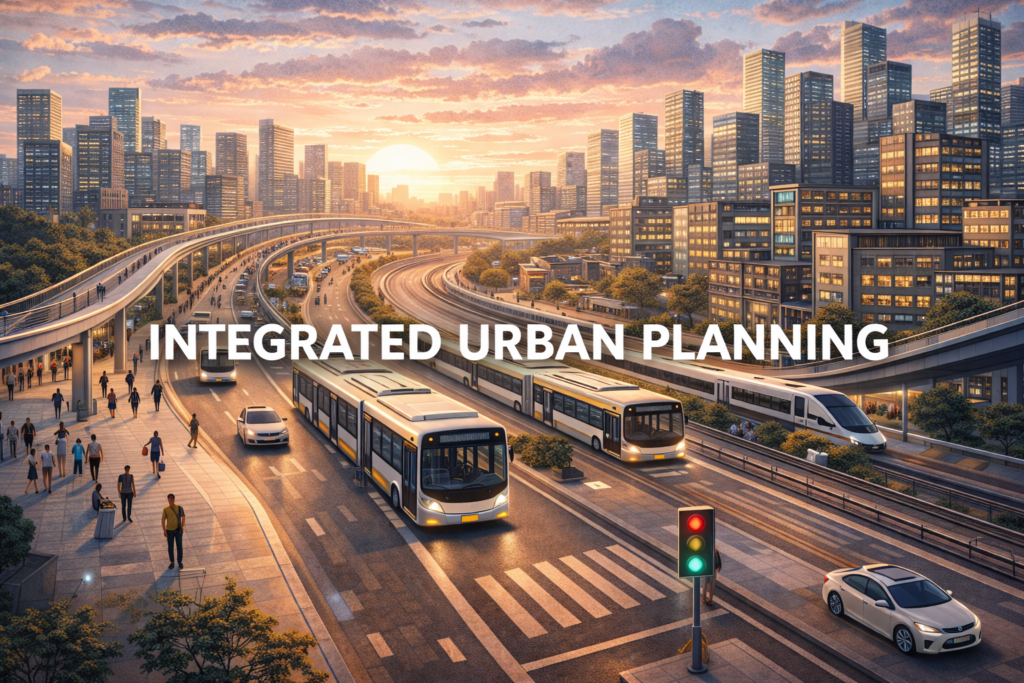
Transport infrastructure cannot be planned independently of urban development. Mobility systems shape land use patterns, influence property development, and determine how cities expand.
This theme addresses the integration of transport systems with spatial planning and urban development strategies. Discussions examine transit-oriented development, corridor planning, precinct development, and the coordination required between transport authorities, city planners, and developers.
Participants will engage with planning frameworks that align mobility infrastructure with urban growth, supporting more connected, efficient, and walkable city environments.

Digital technologies are reshaping how mobility systems are designed, managed, and experienced. Data platforms, integrated mobility services, and digital infrastructure are increasingly central to modern transport networks.
Sessions in this theme focus on smart mobility technologies and digital platforms that enhance system efficiency and user experience. Topics include mobility-as-a-service platforms, transport data systems, digital ticketing, integrated mobility platforms, and operational analytics.
Participants will explore how cities and operators are using technology to improve service delivery, optimise network performance, and strengthen the integration of mobility systems.

Delivering large-scale mobility systems requires long-term investment, coordinated infrastructure planning, and institutional collaboration. Governments, development finance institutions, and private sector investors play a central role in financing transport infrastructure and supporting project delivery
.
This theme focuses on the financing models, partnership structures, and investment platforms required to implement mobility infrastructure projects. Discussions address public–private partnerships, development finance mechanisms, infrastructure investment strategies, and project pipelines capable of attracting long-term capital.
Participants will engage with investors, infrastructure developers, and financial institutions working to advance mobility infrastructure.